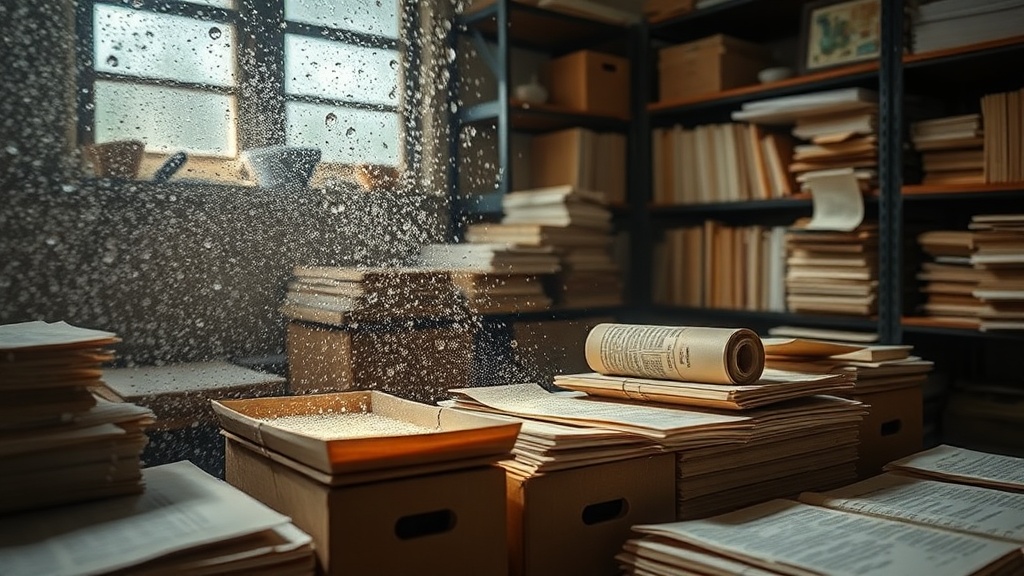
Keeping Humidity in Check for Paper Collections

Quick Tip
Maintain a consistent humidity level between 35% and 50% to ensure long-term paper stability.
Have you ever opened a beautiful vintage box only to find a faint scent of mildew or slightly wavy pages? Humidity is the silent enemy of paper collections, and managing it is the best way to prevent permanent foxing and structural damage. This post looks at how to monitor moisture levels and the specific tools you can use to keep your library stable.
How much humidity is safe for paper collections?
The ideal relative humidity (RH) for most paper collections is between 35% and 50%. If the air gets too damp, you risk mold growth and the breakdown of organic fibers. If it gets too dry, paper can become brittle and crack—especially older, high-acid books.
I recommend investing in a digital hygrometer to keep a close eye on your environment. A simple device from a brand like Govee or even a basic analog one will tell you exactly what's happening in your room. It's much better to catch a spike in moisture before it becomes a problem.
What are the best ways to control moisture in a room?
Using a dedicated dehumidifier or a controlled HVAC system is the most effective way to stabilize your storage environment. Most collectors find that a steady, controlled environment is better than constant fluctuations.
Here are a few ways to manage moisture levels depending on your budget:
- Dehumidifiers: Great for large rooms or basements where moisture lingers.
- Silica Gel Packets: Perfect for small, airtight display cases or archival boxes.
- Air Purifiers: These can help remove airborne mold spores (though they don't lower humidity directly).
- Climate Control: Using a standard home AC system to maintain a steady temperature.
One thing to watch out for: never store your books directly against an exterior wall. These walls often hold more moisture and can create micro-climates that lead to dampness. It's also a good idea to leave a little breathing room between your bookshelves and the wall itself.
Can humidity damage signed items?
High humidity can cause ink to bleed or even lift off the page, which is a nightmare for high-value signed editions. This is especially true for certain types of fountain pen ink or felt-tip markers. While moisture can also cause pages to swell, the real danger is the long-term degradation of the paper itself.
If you're already worried about environmental factors, you might also want to look into protecting your signed first editions from sunlight damage. Sunlight and humidity often work together to accelerate the aging process of your most prized items.
For more technical data on how moisture affects paper fibers, you can check out the research provided by the Library of Congress. They offer extensive-guidelines on the preservation of physical materials.