
How to Start Collecting Signed Books: A Quick Tip Guide

Introduction to Signed Book Collecting
If you're new to the world of signed books, you may be wondering where to start. Signed books can be a rewarding addition to any collection, whether you're a long-time book lover or just starting out. In this quick tip guide, we'll walk you through the basics of collecting signed books and share some tips to help you build a meaningful collection.
Why Collect Signed Books?
Collecting signed books adds a personal touch to your collection. These books are often limited editions, directly associated with the author, and can appreciate in value over time. Whether you love a particular genre, author, or historical period, signed books allow you to bring a piece of literary history into your collection.
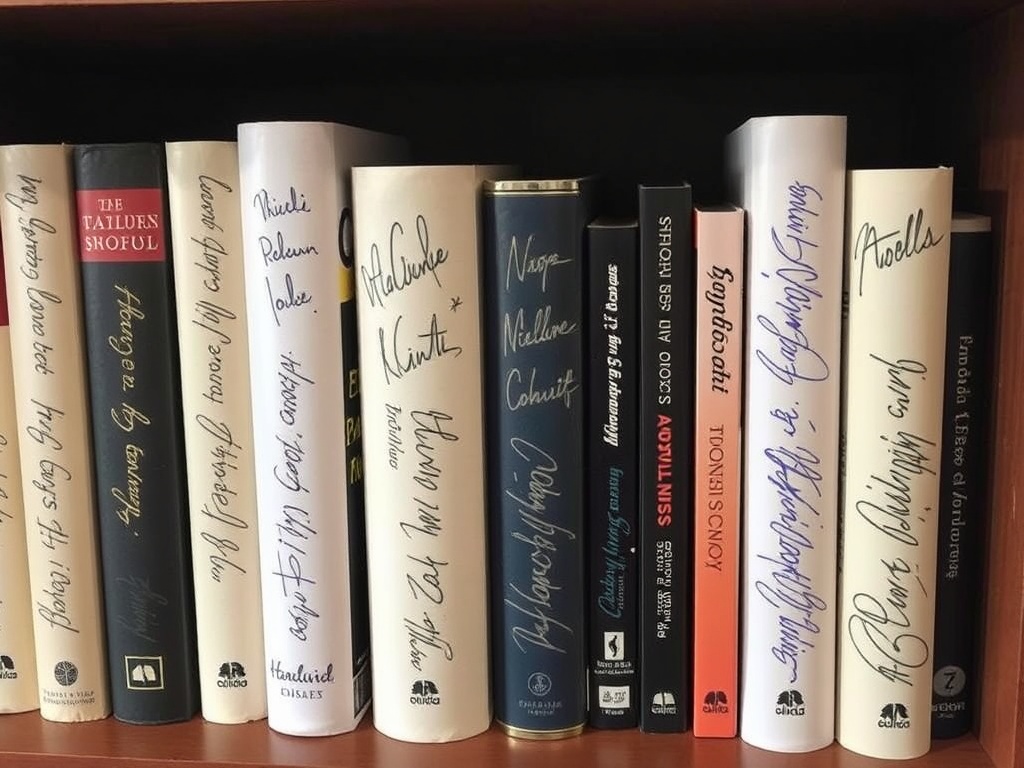
Step 1: Understand What Makes a Book Signed
Not all autographed books are created equal. When a book is signed, it usually means that the author has physically written their name or message inside the book. The condition of the signature is crucial—some collectors prefer books with inscriptions or personal notes from the author, while others prefer a simple signature. Keep an eye on the signature's authenticity and condition, as these factors can impact the book's value.

Step 2: Research Your Favorite Authors
Before you dive into collecting signed books, it's essential to research your favorite authors and their works. Look for upcoming events like book signings, author interviews, or special edition releases. Many signed books are released in limited quantities, and finding these editions can be a thrilling experience.

Step 3: Verify the Authenticity of Signed Books
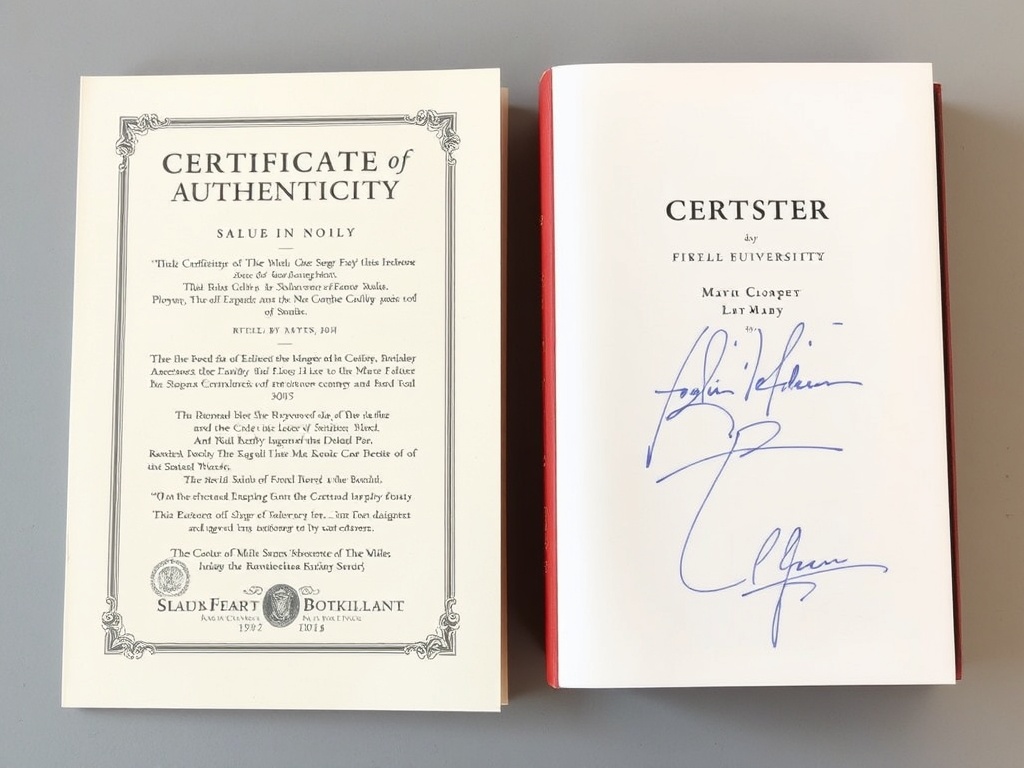
It's essential to authenticate signed books to ensure that you're not purchasing a forged signature. Look for certificates of authenticity (COAs) or obtain proof of the author's signature, such as photographs of the signing event. Trusted dealers and auction houses often offer signed books with verified authenticity, so make sure to buy from reliable sources.
Step 4: Care and Display of Signed Books
Proper care is crucial for preserving the condition of your signed books. Keep them in a cool, dry environment to avoid damage from heat or humidity. It's also a good idea to store them in protective cases or slipcovers to prevent any physical damage. Display your signed books in a way that highlights their significance—consider investing in bookcases with glass doors to protect them from dust and direct sunlight.
Conclusion
Building a collection of signed books takes time and effort, but the rewards are well worth it. By following these simple tips, you can start collecting signed books with confidence. Remember, the key to a great collection is authenticity, condition, and a genuine love for the authors and books that matter to you.