How to Find and Care for Signed Books: A Collector’s Guide

As a collector, acquiring signed books is a thrilling pursuit. But it's not just about owning these treasures—it's about understanding their value, ensuring their preservation, and displaying them for the world to see. This guide will walk you through the essential steps to find, care for, and display your signed books, ensuring they remain in pristine condition for years to come.
Step 1: Finding Signed Books
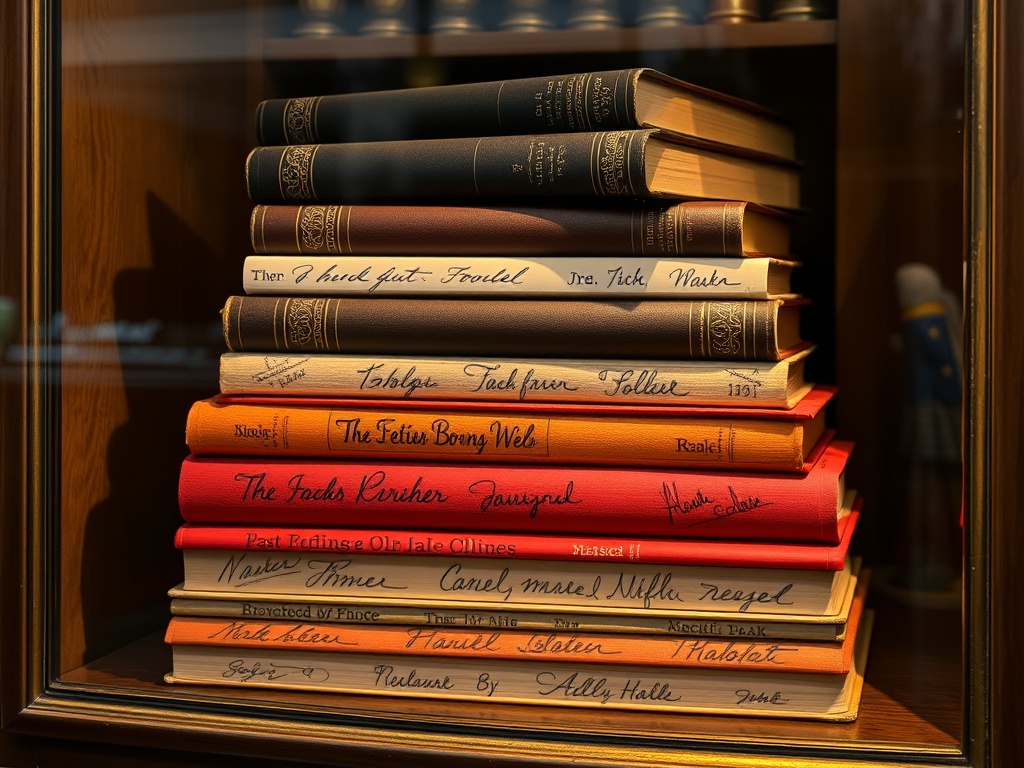
Finding signed books isn't always easy, but it's certainly rewarding. Whether you're just starting your collection or adding to an established library, there are several ways to find signed editions:
- Online Marketplaces: Websites like eBay, AbeBooks, and specialized bookshops often list signed books. Be sure to ask for proof of authenticity, such as a certificate of authenticity (COA) or photos showing the author signing the book.
- Book Fairs: Attending literary festivals, conventions, and book fairs can provide access to signed editions, especially if authors are attending these events. Always ask about the provenance of the signature.
- Direct from the Author: Some authors sell signed copies of their books through their personal websites or social media channels. Subscribing to author newsletters can alert you to new signed editions being released.
- Estate Sales and Auctions: These are excellent places to find rare and vintage signed books. Many collectors have scored valuable editions through auction houses like Christie's or Sotheby's.
Step 2: Verifying Authenticity
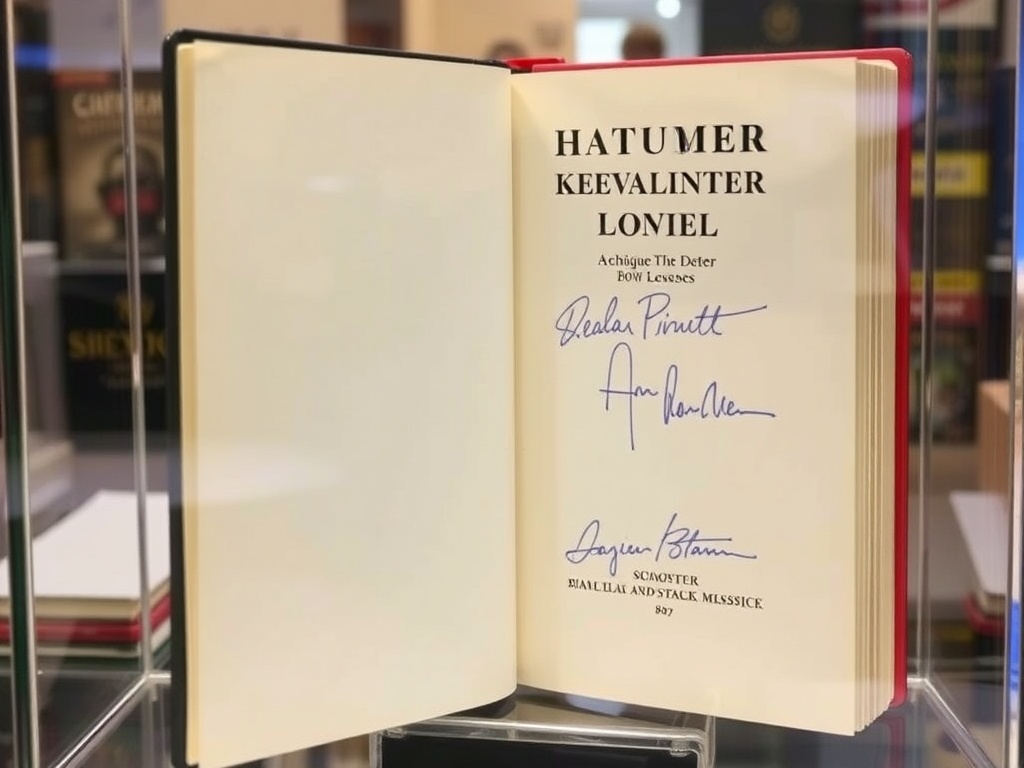
When buying signed books, authenticity is paramount. A genuine signature can significantly increase the book’s value, but a forgery can result in a costly mistake. Here's how to verify signatures:
- Provenance: Ask for proof of where the book came from, including receipts or documentation from the event where the book was signed.
- Signature Analysis: Research the author's signature style. Compare the signature on the book with verified examples online or in other published works.
- Authentication Services: Consider using a professional service like PSA/DNA or JSA, which offer third-party authentication of signatures. They can provide certificates that can be added to the book’s provenance.
Step 3: Caring for Your Signed Books
Once you've found a signed book, it’s crucial to maintain its condition to protect both the signature and the book itself:
- Proper Storage: Store your signed books upright in a cool, dry, and dark place. Use archival-quality bookends to prevent damage.
- Protective Sleeves: Use acid-free, archival-quality sleeves or dust jackets to protect your signed books from dust, moisture, and handling. These protect the signature from fading or smudging.
- Display Considerations: If you wish to display a signed book, keep it out of direct sunlight to avoid fading. Use UV-protective glass or acrylic cases to shield it from light exposure.
- Avoid Handling: Minimize handling the book itself. Always use gloves when touching the book’s pages to avoid oils from your hands damaging the signature or the paper.
Step 4: Displaying Your Signed Books
While storing signed books properly is essential, displaying them is an exciting way to show off your collection. Here are some display tips:
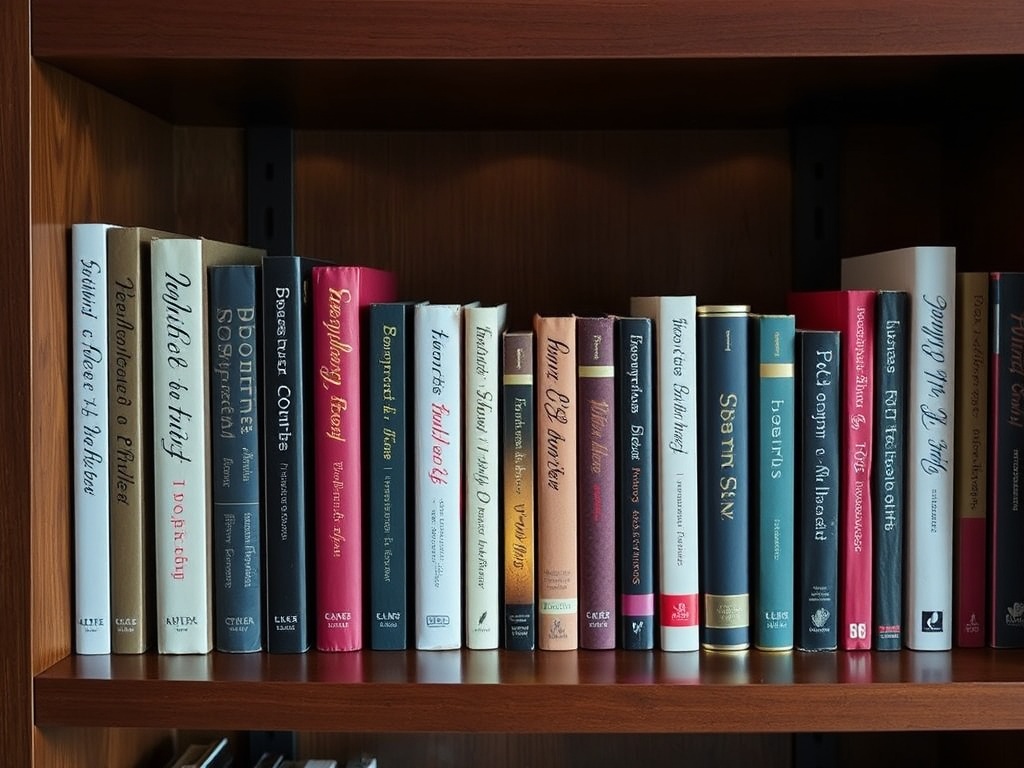
- Bookshelves: Use dedicated bookshelves with proper lighting to highlight your signed editions. Make sure the shelves are sturdy and the books are arranged in a way that showcases their value.
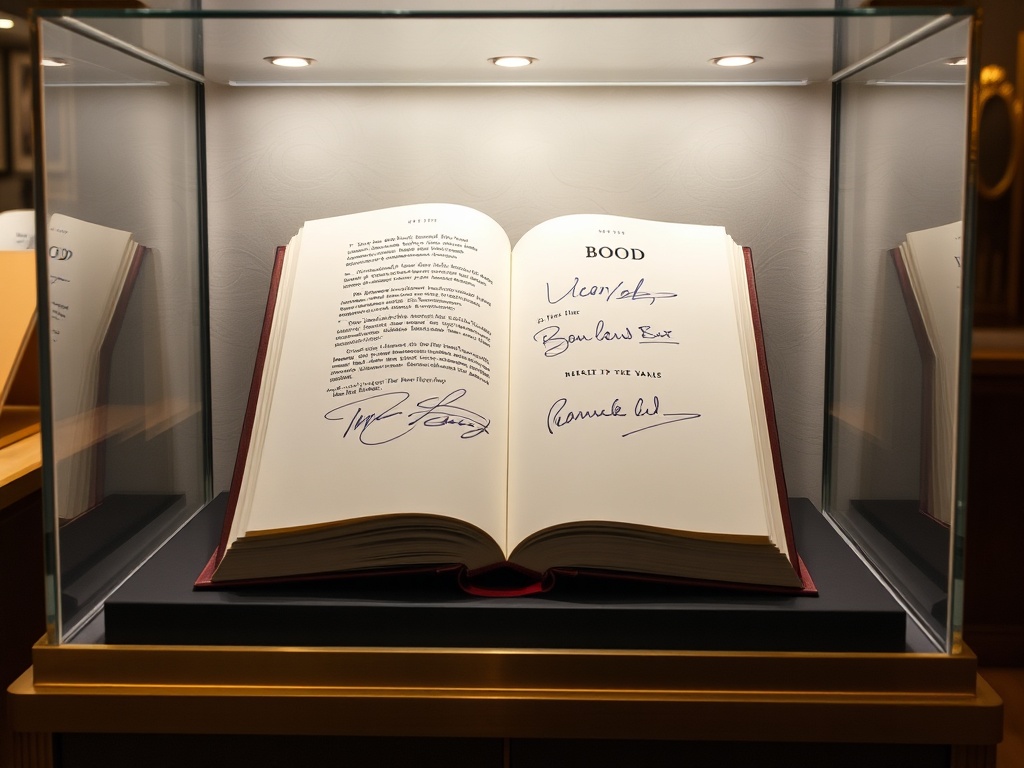
- Display Cases: A display case can provide the ultimate protection while still allowing you to enjoy the book. Look for cases with UV-filtering glass to prevent light damage.
- Creative Displays: For a more artistic approach, arrange signed books with other collectibles, such as framed book covers, author photos, or memorabilia.
Conclusion
Collecting signed books is a rewarding hobby that requires patience, knowledge, and care. By following the steps outlined in this guide, you can build and maintain a collection that will not only increase in value over time but also provide you with a wealth of literary history.